

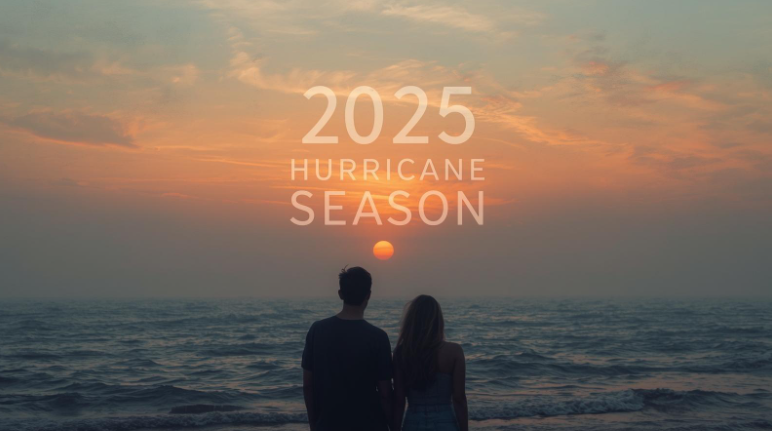
As we close the books on the 2025 hurricane season, one word comes to mind: fortunate.
After nearly 20 years in the insurance industry and more than a decade as the owner of an independent insurance agency here in Florida, I do not take a quiet hurricane season lightly. Anyone who has lived and worked through multiple storm cycles understands just how rare and how valuable a year like this truly is.
Florida avoided the kind of widespread devastation we have seen in prior seasons. Families were not displaced en masse. Businesses were not forced into prolonged shutdowns. Communities were not pushed into years long recovery efforts. That is something to be deeply grateful for.
Beyond the human relief, a calmer hurricane season carries important implications for Florida’s fragile insurance market.
Why 2025 Matters for Insurance Stability
Fewer catastrophic losses help stabilize insurers’ balance sheets. That stability matters because it influences everything downstream, from carrier capacity to underwriting appetite to the availability of coverage options for Florida homeowners and business owners.
In simple terms, when losses are manageable, the market has room to breathe.
That breathing room is essential if we want to continue moving toward premium stabilization and, eventually, greater affordability. One quiet season does not erase years of volatility, but it does help interrupt the cycle of constant rate pressure Floridians have endured.
The Reinsurance Reality Most Consumers Never See
Hurricanes are only part of the premium equation, and this is where perspective matters.
Florida’s insurance rates are heavily influenced by reinsurance, which is essentially insurance for insurance companies. Reinsurance allows carriers to absorb large catastrophic losses without becoming insolvent, but it comes at a cost. That cost is set in a global marketplace.
Reinsurers price risk based on worldwide catastrophe activity, including hurricanes, wildfires, floods, earthquakes, and geopolitical instability. Events thousands of miles away can and do affect what Florida insurers pay for protection.
While a quiet 2025 hurricane season is a meaningful positive signal, it does not exist in a vacuum. Reinsurance pricing responds to global loss trends, capital markets, and long term climate risk modeling. Florida benefits when losses are lower, but global conditions still matter.
Gratitude, Discipline, and Smart Policy Matter Now
This is precisely why moments like this are so important.
A calmer season gives Florida an opportunity to stay disciplined, not to relax standards or reverse hard won progress. Smart underwriting, responsible building practices, meaningful mitigation efforts, and stable legislative frameworks all play a role in keeping insurers engaged in the state.
Progress in the insurance market is slow and cumulative. It is built over time through consistency and restraint, not short-term reactions to temporary relief.
Looking Ahead
We should pause to appreciate what 2025 gave us. Fewer storms. Fewer losses. A continued path toward stabilization.
At the same time, we must remember that Florida’s insurance system is interconnected with forces far beyond our coastline. Sustainable affordability will require patience, thoughtful policy, and continued respect for the complex risk environment insurers operate within.
At Ricci Insurance Group, we remain committed to helping our clients understand not just what is happening in the insurance market, but why. Informed consumers and informed communities are essential to long-term resilience.